
Author name: zestful Grace

Blog

Why Experience Matters: Lessons Learned from Nearly 80 Years of Legal Advocacy in Attleboro and Beyond

In law, experience isn’t just about how long a firm has been around. It’s about what has been learned, adapted, and passed down over time. In communities like Attleboro and across Southern New England, legal challenges evolve with economic shifts, regulatory changes, and generational transitions. Firms that have stood the test of time carry something invaluable: institutional knowledge built through decades of real-world problem solving. Nearly 80 years of legal advocacy offers lessons that newer firms simply haven’t had the opportunity to learn yet. Those lessons shape how lawyers advise clients, manage risk, and deliver results, not just today, but for years to come. Experience Means Seeing the Full Picture One of the biggest advantages of long-term legal experience is perspective. Lawyers who have practiced through multiple economic cycles, regulatory changes, and court trends learn to see beyond the immediate issue in front of them. They’ve seen how a small contractual oversight can become a major dispute years later. They’ve watched zoning decisions reshape neighborhoods over decades. They understand how laws that seem minor today can have major long-term consequences. This kind of perspective helps clients make smarter decisions. Instead of reacting to short-term pressures, experienced counsel can help clients think strategically about where they want to be five, ten, or twenty years down the road. Institutional Knowledge Can’t Be Replaced Institutional knowledge is one of the most overlooked assets in legal representation. It includes familiarity with local courts, longstanding relationships with municipalities, an understanding of how specific boards operate, and awareness of how similar cases were handled in the past. In places like Attleboro, this knowledge matters. Local courts and agencies develop their own rhythms and expectations. Attorneys who have practiced locally for decades understand what arguments resonate, how procedures actually work, and how to navigate challenges efficiently. That kind of knowledge isn’t written down in statutes or manuals, it’s earned over time. It allows experienced firms to avoid unnecessary missteps and guide clients through complex processes with greater confidence and clarity. Adapting While Staying Grounded Longevity doesn’t mean doing things the same way forever. In fact, one of the most important lessons learned over decades of practice is the need to adapt. The law has changed dramatically over the past 80 years. Technology has transformed communication, business structures have evolved, and legal expectations have shifted. Firms that endure are those that adapt while staying grounded in core principles: professionalism, integrity, and client-focused service. Experienced firms understand which legal trends are meaningful and which are temporary. They adopt new tools and approaches thoughtfully, without losing sight of proven strategies that continue to work. Better Judgment Comes From Experience Legal judgment improves with time. Lawyers who have handled thousands of matters develop an instinct for what works, and what doesn’t. They know when to push aggressively and when a quieter, more strategic approach will lead to a better outcome. This judgment is especially valuable in high-stakes or emotionally charged situations. For families dealing with estate issues or disputes, calm and experienced guidance can prevent conflicts from escalating. For businesses facing litigation or regulatory challenges, seasoned judgment can mean the difference between a manageable issue and a costly mistake. Experience teaches that not every battle needs to be fought, and not every problem belongs in court. Knowing when and how to resolve issues efficiently is a hallmark of seasoned legal counsel. Relationships Built Over Generations Firms with long histories often represent multiple generations of the same families and businesses. This continuity builds trust and allows lawyers to understand clients on a deeper level. When a firm has advised a family for decades, it understands their values, priorities, and long-term goals. When it has worked with a business through growth, transition, and succession, it knows the challenges that come with each phase. These relationships allow experienced counsel to provide advice that’s not just legally correct, but personally and strategically meaningful. Clients benefit from working with lawyers who already understand their story. Local Experience Strengthens Advocacy Courtroom advocacy improves with experience, especially at the local level. Attorneys who regularly appear before the same courts and boards understand expectations, procedures, and decision-making styles. Judges and officials value preparation, professionalism, and credibility. Lawyers who have built reputations locally over many years understand how important those qualities are, and how they directly affect outcomes for clients. This kind of advocacy isn’t about shortcuts or favoritism. It’s about respect earned through consistent, high-quality work and deep familiarity with the local legal landscape. Learning From Past Challenges Experience isn’t just built on success, it’s built on challenges. Over decades, law firms encounter difficult cases, changing laws, and unexpected outcomes. Each challenge becomes a lesson. Those lessons inform how future cases are handled. They help lawyers anticipate risks, avoid pitfalls, and craft better strategies. Clients benefit from this accumulated wisdom, even if they never see the challenges that led to it. In many ways, experience acts as a filter, allowing firms to identify what truly matters and focus their efforts where they will have the greatest impact. Serving the Community Over Time Long-standing law firms often see themselves as part of the fabric of their communities. Their success is tied to the success of the people and businesses they serve. Over decades, this commitment shows up in community involvement, public service, and local leadership. Firms that have grown alongside their communities understand their role extends beyond legal representation. This connection reinforces accountability. Lawyers who live and work in the same area as their clients understand that their work affects neighbors, institutions, and future generations. Firms like Coogan Smith LLP, with roots stretching back nearly eight decades in Attleboro and Southern New England, reflect how sustained legal advocacy and community involvement go hand in hand. Experience Brings Stability in Uncertain Times When clients face uncertainty, economic downturns, legal disputes, or major life changes, they often look for stability. Experience provides that reassurance. Knowing that your legal counsel has guided clients through similar challenges before can ease anxiety and build

Blog

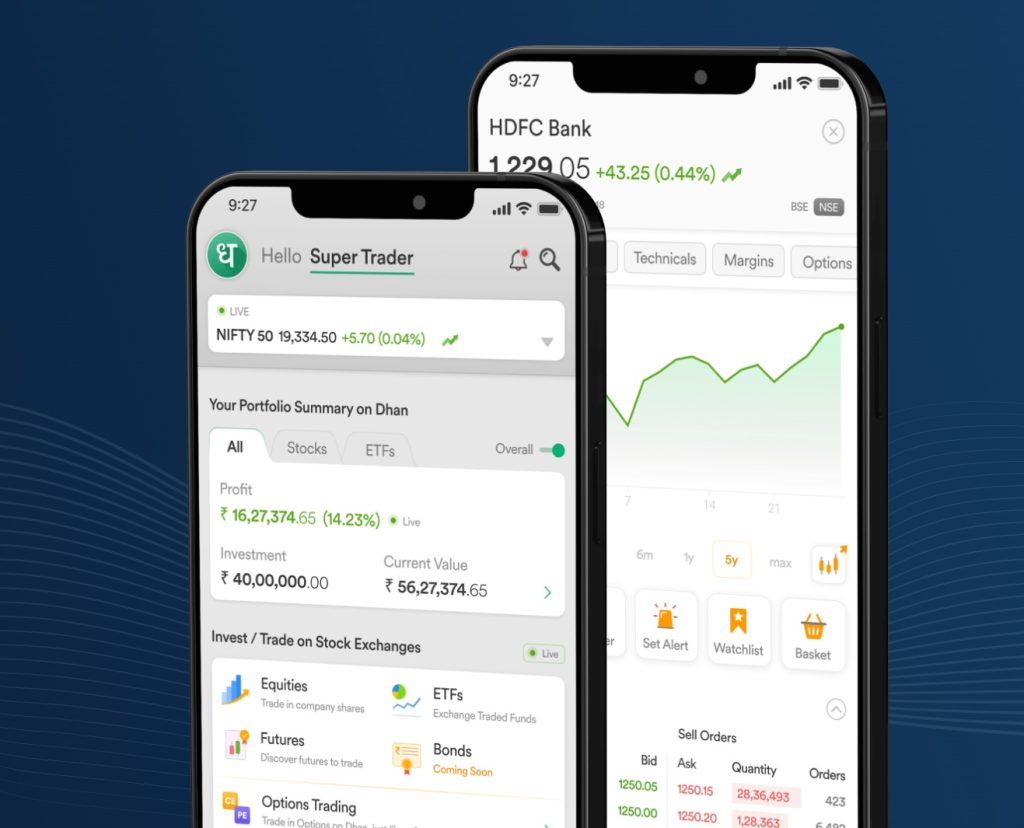
Dhan vs Groww: Charges, features and more compared in 2026

India now has more than 21 crore demat accounts, and two platforms have led this retail surge more than any others, namely, Groww and Dhan. Groww was founded in 2016 and became the gateway for millions of first-time investors with its mutual fund platform. Dhan was launched in 2021 by Raise Securities Private Limited and took a different path to build India’s most technology-advanced trading platform, offering institutional-grade tools for active traders. Both offer zero account opening fees & zero AMC. But beyond that shared headline, the two platforms have little in common. If you are considering opening a demat account in 2026, knowing precisely where Groww and Dhan differ in terms of charges, features and platform capabilities will help you make the right choice for your financial goals. Let’s explore this in detail. Account opening and AMC charges Both platforms make it easy and free to get started in the Indian financial markets. Dhan offers a zero AMC account opening and no annual charge on the trading account or on the Demat account. If a beginner market participant wants to open demat account without any recurring costs, Dhan has formalised this commitment with no charges attached. Dhan DP transaction charges are Rs. 12.50 / instruction / ISIN + GST. Groww also charges zero account opening charges and zero AMC. However, Groww’s DP charges on buying and selling shares are Rs. 0 for intraday and Rs. 20 per sell transaction for delivery, which includes Rs. 3.50 of CDSL and Rs. 16.50 of Groww and not per ISIN per day. Female investors pay slightly less at a sale transaction, which is Rs 19.75. Brokerage charges Both are discount brokers that have flat-fee pricing models, but there are some differences in their pricing structure, like. Segment Dhan Groww Equity Delivery ₹0 (Free) ₹20 or 0.1%, minimum ₹5 Equity Intraday ₹20 or 0.03% (whichever is lower) ₹20 or 0.1%, minimum ₹5 F&O (Options & Futures) ₹20 per executed order ₹20 per executed order Commodity Futures & Options ₹20 per executed order ₹20 per executed order Direct Mutual Funds ₹0 ₹0 Account Opening / AMC ₹0 / ₹0 ₹0 / ₹0 The biggest pricing difference is in brokerage charges for equity delivery. Dhan charges zero brokerage on all equity delivery trades, whereas Groww charges the lower of Rs. 20 or 0.1% with a minimum of Rs. 5 per order, which implies that all small delivery trades on Groww have a minimum guaranteed cost. Trading platform and features Groww has built its reputation on simplicity. The Groww trading platform offers a clean, fast and accessible interface to beginners with the intuitive interface of stocks, mutual funds, IPOs, ETFs, and fixed deposits under one roof. Groww’s 915 Terminal is an advanced charting and F&O tool for active traders. Groww is the largest stockbroker in India in terms of active users, with 1.24 crores active clients. Groww offers MTF leverage of 4x at 14.95% p.a. to traders to maximise their buying power. Dhan is built for active and advanced traders. Its multi-platform ecosystem comprises the Dhan App, Dhan Web, a dedicated Options Trader App and Options Trader Web with the Options Strategy Builder, TradingView integration for chart-based order placement and DhanHQ offering free API access for algo traders.  The DEXT execution engine processes 95% of orders under 25 milliseconds. Dhan also offers SLBM, by which investors can earn up to 35% p.a. by lending their idle stock holdings and MTF leverage of 4x at 12.49% p.a. on 1,700+ stocks. Most importantly, Dhan has launched DEXT T3 Trading Terminal where users can explore advanced features and trades being placed under the record time. Mutual funds and investment products Both platforms have zero-commission direct mutual funds. Groww was started as a mutual fund platform in 2016 and offers a mutual fund discovery interface with funds comparison tools, SIP calculators and portfolio analytics built around the investment use case. Groww AMC is also running its own mutual fund house. Dhan supports direct mutual funds at zero commission, SIP for ETFs, IPO applications through UPI, smallcase investments and NFO applications. Dhan’s edge is in bringing investing and active trading into one, unified account without having to have a different app for each activity. Who should select which platform? If you are a first-time investor or a mutual fund buyer, consider Groww for the simple and easy-to-use interface, India’s top broker in terms of active clients, and a proven platform with robust beginner education resources. Consider Dhan if you are an active Equity or F&O trader looking for zero brokerage delivery, fast order execution infrastructure, options strategy builder, free API access, MCX commodity coverage and a platform built especially for serious market participants. Conclusion Both Dhan and Groww are popular brokerage platforms in India, but they cater to fundamentally different market participants. Groww was initially built as a direct mutual fund distribution platform, which later became one of India’s leading fintech investment platforms. Dhan was built to provide advanced tools and features to retail participants, which were previously only available to big institutional players. Thus, both have their unique features, and market participants should select the platform that best aligns with their financial objectives.

Blog

Return of Premium Term Life Insurance vs Regular Term Insurance Plans

People nowadays seek financial stability to protect their families. Life brings unpredictable situations, which can lead to major financial difficulties for family members. Financial planning needs life insurance because it serves as an essential element. Term insurance plans rank among the top insurance selections because they deliver substantial coverage at budget-friendly premiums.  People who research term insurance will discover two typical alternatives, which include regular term insurance and return of premium term life insurance. The two options both provide life coverage, yet their operational mechanisms differ. The two plans require different rules, which people should comprehend before making their choice. This article explains both types of insurance in a simple and clear way so you can understand which option may suit your needs. Understanding Term Insurance Plans Term insurance plans need examination before comparing their two options. Term insurance provides life insurance coverage that protects customers for a designated time periods. The insurance company provides life coverage to the policyholder who pays fixed annual premiums. If the insured person faces death during the insurance term, the insurance company pays a huge sum of money to the nominee or the family members of the deceased person. The responsibilities of the family may include: The low premium and high coverage make term insurance one of the simplest and most effective insurance plans. What Is Regular Term Insurance? Regular term insurance is the simplest form of term insurance. This insurance is purely for providing protection to the family of the policyholder. The insured person pays insurance premiums for a certain period, and this period is called the term of the insurance policy. If the policyholder faces death during this period, the insurance company will pay the sum assured to the nominee of the deceased person. If the policyholder does not face death, the insurance policy will terminate, and no money will be returned. Key Features of Regular Term Insurance The key features of regular term insurance are as follows: As the premium is low, many people opt for regular term insurance. What Is Return of Premium Term Life Insurance? Return of premium term life insurance is slightly different from regular term insurance in the sense that it provides the policyholder with a maturity benefit in addition to the high amount of life coverage provided. Under this type of insurance, the policyholder pays premiums during the policy term, similar to regular term insurance. The nominee receives the sum assured in the event of the death of the policyholder during the policy term. However, in the event of the policyholder surviving the policy term, the insurance company pays the policyholder the amount of premiums paid during the policy term. Key Features of Return of Premium Term Life Insurance The key features of this type of insurance plan include: This type of plan is usually taken by people who want to receive some amount from their insurance plan. Major Differences Between the Two Plans The major differences between regular term insurance plans and return of premium term life insurance plans can be understood as follows: Premium Amount The major difference between these two types of plans is the premium amount. In regular term insurance plans, the premium amount is less because they do not offer any other benefits apart from life coverage. In contrast, return of premium plans have higher premium amounts because they promise to refund the premium amount if the policyholder outlives the term. Maturity Benefit The maturity benefit is not available in regular term insurance policies. If the policyholder is alive at the completion of the policy term, the policy is over. The return of premium term insurance policy pays the policyholder the amount of premium paid during the policy term if the policyholder is alive at the completion of the policy term. Purpose of the Plan The regular term insurance policy is only for providing protection. The main aim of the policy is to provide support to the family in case the policyholder is not there anymore. Overall Cost The overall cost of the return of premium term insurance policy is more than the regular term insurance policy due to the return of premium feature. This means the policyholder will have to pay a high premium amount annually for the policy. Benefits of Regular Term Insurance The most popular option for many individuals is the regular term insurance policy. Some of the key benefits include: Benefits of Return of Premium Term Life Insurance Even though it is for a higher premium, there are benefits to return of premium term life insurance. Factors to Consider Before Choosing a Plan There are certain factors that must be considered before choosing between the two types of term life insurance plans. Conclusion Both regular term insurance and return of premium term life insurance provide significant cover for your family. The only difference is at the end of the term when the policy is over. The regular term insurance plans provide pure cover at a lower cost, and this is the best option for those who want the highest cover at the lowest premium rates. The return of premium term insurance plans provides the same cover, but the premiums will also be returned to the policyholder at the end of the term if the policyholder is alive. The best option is to choose the insurance policy based on your needs and budget. The most important thing is to ensure that you have sufficient cover for yourself so that your family is protected in any situation.

Blog

How Crisis Situations Can Be Avoided Through Early Mental Health Intervention

Mental health issues can arise gradually as opposed to abruptly. If stress, anxiety, trauma, and emotional strain are not treated, they may accumulate over time and finally reach a breaking point. The goal of early mental health intervention is to identify warning indicators and take action before a problem worsens and becomes a full-blown catastrophe. Individuals, families, organisations, and communities may lower risk, enhance recovery results, and foster long-term emotional wellness by taking early action. Comprehending Early Mental Health Intervention Early intervention is spotting psychological or emotional suffering early on and offering prompt assistance. This assistance might take the form of counselling, expert advice, coping mechanisms, or a recommendation for suitable services. Early intervention helps stabilise mental discomfort and prevent worsening rather than waiting until a person reaches a crisis stage. Withdrawal from social engagement, chronic melancholy, changes in eating or sleep patterns, difficulties focusing, elevated anger, and a sense of despair are typical early warning indicators. Early detection of these symptoms allows for supporting measures to be implemented before the person feels overburdened or in danger. Avoiding A Crisis Escalation When emotional pain becomes so bad that a person can’t handle it, it’s called a mental health crisis. This might result in violent behaviour, panic attacks, self-harm, or the inability to go about everyday tasks normally. By addressing stresses and emotional difficulties before they worsen, early intervention lowers the chance of reaching this stage. People who get timely assistance are able to reestablish their feeling of security and control. Emotional escalation may be avoided by taking easy steps like validating emotions, listening without passing judgment, and promoting professional help. Early intervention usually results in a quicker and simpler recovery. Training courses like a Mental Health Crisis Response Course provide people with the hands-on knowledge they need to recognise warning signals and react correctly. By emphasising safe referral procedures, supportive communication, and de-escalation tactics, these programs empower participants to confidently and compassionately help someone in distress. The Function Of Education And Awareness Early intervention relies heavily on education. Because they feel misunderstood, fear stigma, or think their problems are not severe enough to merit treatment, many individuals are reluctant to ask for assistance. Awareness campaigns encourage people to seek treatment sooner and normalise conversations about mental health. People may identify changes in themselves and others by learning how mental health disorders arise and how stress impacts emotional wellness. Mental Health Pro provides training and education that equips communities with the skills and self-assurance they need to address mental health issues. Increasing The Stability Of Support Systems When there are robust support networks in place, early intervention is most effective. Before professionals notice behavioural changes, friends, family, colleagues, and educators often do. These support systems may provide comfort and point people in the direction of assistance when they know how to react. Communication must be open. Establishing secure environments where people may freely express their feelings promotes early dialogue as opposed to silent suffering. Supportive settings help people feel less alone and build resilience, which makes it simpler to deal with stress before it becomes too much to handle. First Aid For Mental Health And Prompt Assistance The goal of mental health first aid is to provide someone in emotional distress with immediate support until expert assistance can be obtained. Early emotional care may stabilise psychological discomfort and prevent further injury, just like physical first aid stabilises injuries. People who get training in First Aid Mental Health learn how to approach someone who is distressed, evaluate their risk, listen to them with empathy, and promote professional assistance. These abilities are helpful in communal, educational, and professional contexts when prompt assistance can be required. People who know how to react efficiently and quietly make the person feel understood rather than condemned, reassure them, and lessen their anxiety. Benefits Of Early Intervention In The Long Run The advantages of early mental health treatments go beyond averting crises. People who get timely help often report healthier relationships, better coping mechanisms, and more emotional resilience. Additionally, early care might lessen the need for later, extensive therapy. Early intervention boosts community welfare, increases business productivity, and lowers healthcare expenses from a societal standpoint. Crisis prevention promotes more wholesome and caring communities in addition to protecting people. Conclusion It is unusual for mental health crises to occur suddenly. It is feasible to stop situations from becoming crises by identifying early indicators of distress and reacting with compassion, understanding, and support. In this process, supportive circumstances, awareness, and education are essential. Giving people real-world skills via training, promoting candid discussions, and fortifying support systems guarantees that assistance will be accessible when needed most. In addition to being a preventative strategy, early intervention is a potent first step in creating resilient communities and healthy people. 

Blog

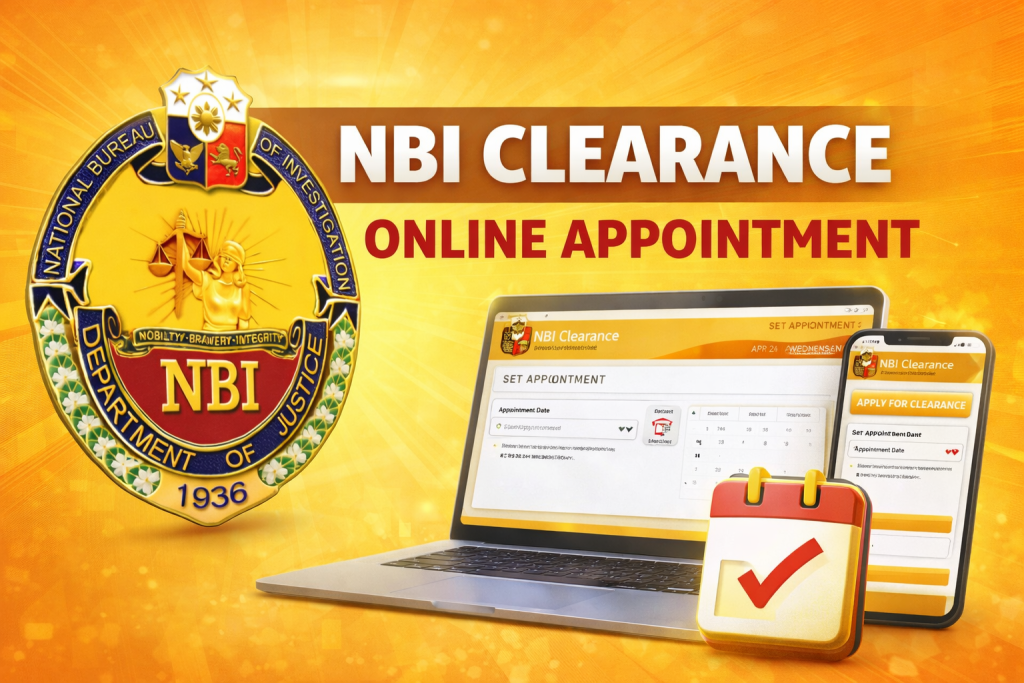
NBI Clearance Online Appointment 2026

Getting an NBI online appointment is now the fastest and most convenient way to secure your clearance in the Philippines. Whether you need it for a job application, travel, business permit, or government requirement, the process is fully digital — but only if you follow the correct steps. Many applicants feel overwhelmed the first time. But honestly, once you understand the system, it’s as easy as pie. In this guide, I’ll walk you through the exact process, requirements, fees, and common mistakes to avoid. What Is an NBI Clearance? An NBI clearance is an official document issued by the National Bureau of Investigation. It confirms whether a person has any criminal record in the Philippines. Employers, government agencies, and embassies often require it for: That’s why booking your NBI clearance online appointment correctly is important. Why You Must Book an NBI Clearance Online Appointment Walk-ins are no longer accepted in most branches. You must: Without an appointment, you won’t be entertained at the NBI office. Requirements for NBI Clearance Application Before starting your NBI clearance online appointment, prepare the following: Valid IDs (bring at least two): Make sure your IDs are valid and not expired. How to Book NBI Clearance Online Appointment Follow these step-by-step instructions carefully. Step 1: Visit the Official NBI Website Go to the official NBI clearance website. Always check the URL to avoid fake or scam websites. Step 2: Create an Account If you are a first-time applicant: Returning users can simply log in. Step 3: Fill Out Personal Information Provide accurate details: Make sure your information matches your IDs exactly. Step 4: Schedule Your Appointment Select: Choose a branch near you to avoid inconvenience. Step 5: Pay the NBI Clearance Fee The NBI clearance fee is typically around ₱130 + system fee. Payment options include: After payment, keep your reference number. Step 6: Visit the NBI Branch On your appointment day: Your photo, fingerprints, and biometric data will be captured. What Is “Hit” Status? Sometimes, after your NBI clearance online appointment, you may receive a “Hit” status. This means your name matches someone with a record. It does not automatically mean you have a case. If you get a hit: This is normal and happens to many people with common names. Common Problems and Solutions Website Not LoadingTry accessing during non-peak hours. Early morning works best. Payment Not ReflectedWait a few hours and check again. Keep your receipt. Missed AppointmentYou may need to reschedule online. Some payments remain valid for rebooking. Wrong Information EnteredContact NBI immediately. Do not ignore errors. How Long Does It Take to Get NBI Clearance? If you have no “Hit,” you usually receive your clearance on the same day. If you have a “Hit,” it may take 5–10 working days for verification. Important Reminders Small mistakes can cause unnecessary delays. Final Thoughts Booking your NBI clearance online appointment is now the standard process in the Philippines. While it may look complicated at first glance, the system is straightforward once you follow the steps carefully. Register online, schedule properly, pay the correct fee, and show up prepared. That’s all it takes. If you haven’t booked your appointment yet, don’t wait until the last minute. Secure your schedule today and avoid the rush.

Blog

How to Convert a URL/Link to MP4 in 2026

In today’s digital world, video content dominates almost every platform. From educational clips to entertainment and streaming services, videos are everywhere. Often, you come across a video link or URL that you’d like to save for offline use or playback on other devices. That’s where converting a link to MP4 becomes incredibly useful. MP4 is a versatile video format compatible with nearly all devices, making it ideal for offline viewing, editing, and sharing. In this guide, we’ll walk you through why you might want to convert a video link to MP4, introduce the best tools in 2026, and highlight common issues you may encounter. Why Convert a Video Link to MP4? Converting a video URL to MP4 has several benefits: Because of these advantages, using a reliable link to MP4 converter is essential. Tools to Convert Link to MP4 (Best Options in 2026) Several tools are available in 2026 to help users convert link to MP4 safely and efficiently. Here are the top options: 1. ScreenApp ScreenApp is a browser-based solution that makes it easy to convert link to MP4 without installing software. Features: Pros: Cons: ScreenApp is perfect for users who want a quick, hassle-free way to download link to MP4. 2. AceThinker Link to MP4 Converter AceThinker offers a dedicated link to MP4 converter that’s both reliable and feature-rich. Features: Pros: Cons: AceThinker is ideal if you frequently convert link to MP4 from multiple online sources. 3. CleverGet Video Downloader CleverGet Video Downloader is a versatile all-in-one solution for saving online videos. The cleverget-all-in-one tool supports downloads from streaming platforms and video-sharing websites. Features: Pros: Cons: For users looking to download link to MP4 from premium streaming platforms like Disney Plus or Paramount Plus, CleverGet Video Downloader is one of the most comprehensive options. 4. YTMP4 / YT1S YTMP4 and YT1S are popular free online tools that allow quick video link conversion. Features: Pros: Cons: These tools are suitable if you want a straightforward, no-installation approach to convert link to MP4. 5. Wondershare UniConverter Wondershare UniConverter is a full-featured desktop software that handles video downloads, conversions, and editing. Features: Pros: Cons: UniConverter is ideal if you want an all-in-one tool for downloading and editing videos after converting a link to MP4. 6. 4K Video Downloader 4K Video Downloader is a robust tool for saving online videos in high resolution. Features: Pros: Cons: This tool is perfect for users who prioritize quality when they convert link to MP4. Common Issues When Converting Link to MP4 Even with the best tools, you may encounter challenges: Most of these issues can be solved by using premium tools like CleverGet Video Downloader or Wondershare UniConverter, which provide better stability and quality control. Conclusion Converting a video URL to MP4 is a practical way to watch content offline, edit videos, or archive them for personal use. In 2026, a variety of tools make this process simple: Whether you want to download link to MP4 from YouTube or save Disney Plus to MP4 or Paramount Plus to MP4, these tools provide the flexibility and reliability you need. By choosing the right link to MP4 converter, you can enjoy offline access to your favorite videos anytime, anywhere. In 2026, converting links to MP4 has never been easier or more accessible, thanks to advanced software and web tools designed for speed, quality, and convenience.

The Importance of BLS Certification for Healthcare Professionals
Blog

The Importance of BLS Certification for Healthcare Professionals

In the healthcare world, being ready to respond to emergencies is not just a bonus skill — it’s a core part of quality patient care. One certification that plays a pivotal role in preparing medical workers for critical situations is Basic Life Support (BLS). This training is widely recognized as a key requirement for nurses, doctors, emergency responders, and many other healthcare workers. If you’re looking to strengthen your emergency response skills and advance your professional practice, earning a BLS certificate from provider can make a real difference. What BLS Certification Covers BLS certification teaches important techniques that are used in urgent medical situations. The focus is on stabilizing patients and providing effective care until more advanced medical help arrives. A typical BLS course includes: These core skills build confidence and competence, helping professionals act quickly and effectively when every second counts. Why Healthcare Facilities Require BLS Certification For most healthcare settings, BLS certification isn’t optional — it’s expected. Here’s why: Real‑World Impact on Patient Care When a healthcare professional is BLS certified, the benefits extend far beyond checking a box on a resume: Who Should Get BLS Certification? BLS is designed especially for healthcare professionals, but it benefits anyone involved in patient care. Common roles that require or highly recommend BLS include: Even non‑clinical staff who may be first responders in a facility can benefit from BLS training. Why Certification Needs to Be Renewed Regularly BLS certification does not last forever. Most programs require renewal every one to two years because: Renewal ensures that healthcare professionals stay current with the most effective life‑saving methods. Conclusion: A Foundation for Safe Care Basic Life Support certification is more than just a credential — it’s a commitment to patient safety and professional excellence. For healthcare professionals, BLS equips you with the skills you need to act quickly and confidently in emergencies. It supports teamwork, improves patient outcomes, meets workplace expectations, and aligns with best medical practices.

Programming Essentials Designing Safe and Effective Client Workouts
Blog

Programming Essentials: Designing Safe and Effective Client Workouts

Every client walks into a training session with different needs, goals, and abilities. This is why thoughtful workout programming is one of the most important skills for any fitness coach. A well designed program helps clients stay safe, build confidence, and make steady progress without feeling overwhelmed. When you know how to create plans that match each person’s needs, your coaching becomes clearer, stronger, and more rewarding. Good programming is not about using the most advanced exercises. It is about choosing the right movements at the right time. When trainers understand the basics of planning, they can guide clients in a way that feels smooth and natural. This builds trust and helps clients stay committed to their fitness journey. Why Good Program Design Matters A workout is more than a list of exercises. It is a structured plan with purpose and direction. When designed well, a program helps clients avoid injury and gives them a clear path toward their goals. Here are a few reasons programming is so important: A thoughtful program helps clients see results without guessing or feeling lost. It also helps trainers stay organized and confident during every session. Start with a Simple Client Assessment Before designing a workout, it is important to understand who you are training. A simple assessment helps you learn about fitness level, movement patterns, and personal goals. You also gain insight into any limitations that may affect the session. Learn about their history Ask about past activity, injuries, and daily habits. This helps you understand their starting point. Check basic movement skills Simple tests like squats, step ups, or balance checks help you see how comfortable they are with different movements. Talk about goals Some want strength. Others want energy, mobility, or weight control. A clear goal helps you choose the right exercises. This early step builds trust and shows clients that you care about their safety and comfort. Building a Strong Session Structure A safe and effective workout follows a clear structure. This helps clients warm up, build strength, learn new skills, and finish feeling good. Start with a warm up Warm ups prepare the body for movement. They help increase blood flow and make joints feel ready. Good warm ups include: • Light cardio• Gentle mobility work• Easy activation exercises Move into the main training block This is where the harder work happens. Choose exercises that match the client’s needs. Always keep form simple and safe. End with a cool down A cool down helps the body settle. Light stretching and slow breathing support recovery and reduce muscle stress. When clients feel comfortable at every step, they enjoy the session and stay confident. Choosing Exercises That Fit the Client Exercise selection is one of the most important parts of program design. Each movement should have a purpose. Trainers should choose exercises that fit the client’s skill level, not the other way around. Use simple movements first Start with basic patterns like pushing, pulling, hinging, and squatting. These movements build a strong base. Match exercises to ability If a client struggles with balance, choose stable positions. If a client has joint pain, pick movements that reduce stress. Progress slowly Clients do not need big jumps in intensity. Small steps keep them safe and motivated. Good programming focuses on progress, not perfection. Balancing Workouts for Strength, Endurance, and Mobility A well rounded program helps clients become strong, stable, and flexible. Balance prevents injury and supports long term success. Strength Strength training helps clients move with confidence. Start with simple lifts and teach proper form before adding harder variations. Endurance Endurance work improves heart health and overall fitness. Use easy intervals, steady pacing, or low impact activities. Mobility Mobility training supports joint health and smooth movement. Small daily stretches can help clients feel better throughout the week. When these three areas work together, clients feel more balanced and ready for daily life. Progression: The Key to Long-Term Results Clients progress at different speeds. Good programming helps them grow steadily without pushing too fast. Progression can come from: • Adding light resistance• Increasing repetitions• Improving form• Trying slightly harder variations Progress should feel natural, not rushed. When clients see improvement, they feel proud and motivated to keep going. Safety Practices Every Trainer Should Follow Keeping clients safe is the top priority. Strong safety habits show professionalism and build trust. Teach proper form Good form protects joints and muscles. Use simple cues and let clients practice slowly. Watch for signs of fatigue If form slips or breathing becomes strained, give rest or adjust the exercise. Use manageable loads Clients should feel challenged but not fearful. Safe loads encourage growth without risking injury. Keep communication open Ask how exercises feel and make changes when needed. Safety creates an environment where clients feel supported and valued. The Role of Education in Better Programming Trainers who continue learning create stronger programs and offer better service. New research and techniques appear every year, and ongoing study helps coaches stay updated. Many professionals use programs from ASFA Fitness to grow their knowledge and improve their skills. These learning paths help trainers understand program design, exercise science, and specialty areas that support different client needs. Education helps you design programs with confidence and clarity. It also strengthens your brand as a trusted expert. Helping Clients Stay Motivated with Clear Planning Clients stay motivated when they understand their progress. A structured program helps them see how far they have come. You can support motivation by: When clients feel seen and supported, they stay excited about their journey. Conclusion: Program Design Shapes the Client Experience Thoughtful programming is one of the strongest tools a trainer can develop. It helps clients feel safe, supported, and ready to grow. When you use simple assessments, choose the right exercises, and follow a balanced structure, you create sessions that feel meaningful and effective. By focusing on safety, progression, and personal needs, you help clients move with confidence and trust your guidance. Continued learning and clear planning

Online PC Gaming
Blog

Online PC Gaming and the Power of Multiplayer Connection

Have you ever felt like playing alone is fine, but playing with people feels more fun? Have you noticed how a simple match turns into a happy moment when friends join in? Have you seen how online PC games bring people closer even when they sit far away? Online PC gaming has become a place where people meet, talk, laugh, and enjoy time together without stress. What Online PC Gaming Means Today Online PC gaming is all about playing slot games on a computer while connecting with other players through the internet. It allows people to share time skills and smiles in a very natural way. Many players play after work, college, or daily tasks just to relax and feel light. The best part is that players can join from different cities and still feel like they are sitting in the same room. Easy Access for Everyone PC games are easy to start. All you need is a computer and the internet. Many games offer a simple setup and friendly menus. This helps new players feel comfortable from day one. People of all age groups enjoy PC games because the controls are clear and learning feels smooth. A Friendly Space to Spend Time Online PC games offer a friendly space where people chat, joke, and support each other. Players often form groups and play regularly. This builds trust and comfort. Many players say these sessions feel like daily evening chats with friends. Multiplayer Connection Brings People Together Multiplayer gaming allows many players to join the same slot deposit 1000 game at the same time. This creates shared moments and common goals. People help each other win matches, finish tasks, and enjoy success together. This shared effort builds strong bonds. Team Play Builds Trust In multiplayer games, players work in teams. They plan moves, support each other, and celebrate wins. Team play helps players understand teamwork. It also teaches patience and listening skills, which are useful in daily life. Talking and Chatting Feels Natural Most online PC games include chat or voice options. This makes talking easy and friendly. Players discuss plans, share jokes, and even talk about daily life. This casual talk makes the game time feel warm and personal. How Online PC Gaming Helps Social Life Online PC gaming supports social life in a very positive way. People who feel shy in public often feel relaxed while gaming. It gives them a chance to talk freely and make friends without pressure. Making New Friends Many players meet new people through games. They add each other as friends and play again later. Some friendships last for years. Players feel happy knowing someone is always ready to join a game. Staying Connected with Old Friends Online PC gaming helps old friends stay in touch. Friends living in different places use games as a reason to meet daily. This keeps relationships strong even with busy schedules. Learning Through Multiplayer Games Multiplayer PC games also help players learn useful skills. These lessons come naturally while playing and having fun. Better Communication Skills Players learn how to explain ideas clearly during matches. They learn when to speak and when to listen. This improves communication in a very simple way. Quick Thinking and Focus Games often require fast decisions. Players stay alert and focused. This habit helps in studies, work, and daily tasks. Positive Feelings and a Relaxed Mind Online PC gaming brings joy and calm feelings. After a long day, playing with friends helps release stress. Laughter and small wins create happy moments. Feeling Part of a Group Being part of a gaming group gives a sense of belonging. Players feel valued when teammates support them. This feeling boosts confidence and comfort. A Safe Break from Daily Routine Games give a healthy break from routine life. People refresh their minds and return to work with a better mood. Growth of Online PC Gaming in Daily Life Online PC gaming has become part of daily life for many families and friends. It is common to see people plan game time like evening tea time. This habit adds joy to regular schedules. Events and Online Matches Many games host online events. Players join to enjoy special modes and rewards. These events feel like small festivals where everyone participates with excitement. Simple Fun for All Ages From young students to working adults, everyone enjoys PC games. The simple controls and friendly themes suit all age groups. Why Multiplayer Gaming Feels Special Multiplayer gaming feels special because it connects hearts, not just screens. Shared wins and teamwork create memories. Players remember matches not for scores but for laughs and support. Respect and Kind Words Many players encourage each other with kind words. This creates a positive space where everyone feels welcome. Respect becomes part of play. Growing Together Players improve together. They learn from mistakes and celebrate progress. This shared growth brings happiness. Final Thoughts Online PC Gaming and the Power of Multiplayer Connection shows how games create real bonds. Players talk, support, and enjoy time together. These moments feel real and warm. Online PC gaming is not just about playing. It is shared time, smiles, and friendly connections that fit perfectly into modern life.

Blog

Public-Service Clarity for Entertainment Pages: Night-friendly patterns that just work

Evening readers juggle family, chats, and a few quiet minutes on the phone. Pages that borrow discipline from government portals load facts first, keep verbs literal, and place proof beside promise. This playbook adapts public-service UX to entertainment hubs, so short sessions feel composed – one glance sets context, one tap completes the step, and the record still reads clearly tomorrow. First screens that behave like front desks Public portals win the first thirty seconds by declaring purpose, next step, and time context in one clean view. Entertainment pages can mirror that order: a mid-height status line for what the page does now, a single-verb primary action parked in the thumb zone, and a brief sentence that explains why a prompt appears. Render numbers before art – timers, caps, or local hours – because real networks wobble at night. When names and sequence match what devices actually show, eyes stop traveling, and the hand moves once with confidence. Government sites also centralize plain-language guidance, which reduces detours. An entertainment hub should provide a concise, device-aware overview that aligns labels and first-run expectations, so visitors can read more without guessing where a control lives. Treat that page as a glossary for wording and order, then keep it open while drafting. Alignment up front prevents micro-translations later, and small windows between chores remain enough to finish the task. Status lines that remove guesswork Case-management views make state legible at a glance – a habit worth copying. Keep the trio that governs decisions in one band: current action, any posted window in local time, and the route back if plans change. Avoid overlays that blanket the lower third where wrists, captions, and buttons carry meaning. Quiet confirmations belong near the control that triggered them, stating what happened and the next step in the same vocabulary as the page. When status, verb, and receipt share a frame, refreshes feel like progress rather than repairs. Microcopy that survives busy rooms Forms on public portals place the hardest fields high, fix errors inline, and keep labels literal, so attention can stay steady. Entertainment pages should follow the same rhythm. Inputs appear in OS-friendly order, the primary button remains reachable with the keyboard open, and destructive actions sit two moves away. Use en-dash pauses in labels to slow the eye gently, and include a one-line reason beneath any permission with a visible path to change later. Cache the last safe state and retry quietly after short drops, so progress survives weak coverage and a crowded room. A single checklist for short, repeatable sessions A tiny ritual, shown once and then remembered, keeps evenings predictable. Present it on the page as a compact paragraph and a short list. It aligns with public-service guidance – clear expectations, visible limits, and proof close to action – so decisions land faster, and attention returns to the night rather than to screens. Evidence next to action Portals earn trust by positioning records where choices occur. Entertainment pages should do the same. Put age or region checks at the front with a one-line reason, and keep opt-in state visible before any qualifying step. In money contexts, list rails with realistic arrival windows – hours or business days – beside the amount field. Show caps and daily ceilings in the same panel, not in a distant FAQ. Inside the account, separate deposits, bonuses, adjustments, and withdrawals into tidy lines stamped in local time, so a screenshot answers most follow-ups. Why this pattern keeps readers returning Consistency is the quiet advantage. When pages open with plain intent, keep status and verbs in one glance, and confirm changes where taps happen, the experience starts to feel like a helpful counter – calm, predictable, and fair. That is why the public-service model travels well. It lowers cognitive load without dulling the moment, it respects short windows, and it leaves evidence that stands up tomorrow, so a busy evening ends on schedule with energy left for what matters next.

Scroll to Top